Should You Rekey or Replace Your Locks? A Practical Guide
Understanding Your Options for Home Security
When a key goes missing, a tenant moves out, or you move into a new home, the question of whether to rekey or replace your locks often comes up. Both options restore security, but they work in different ways and suit different situations. Choosing between them depends on the condition of your existing hardware, your long-term plans, and the type of security you need. This article helps you weigh the trade-offs so you can make an informed decision for your home or business in Nassau County.
What Rekeying Involves
Rekeying changes the internal pins inside the lock cylinder so that the old key no longer works. A locksmith removes the cylinder, rearranges the pins to match a new key, and reinstalls it. The lock body and all visible hardware stay the same. This is a fast, cost-effective solution when the lock mechanism itself is still in good shape. It works well for most standard pin-and-tumbler locks, including deadbolts and passage sets. The main benefit is that you keep your existing door hardware and strike plate, which means you do not need to cut new holes or touch the door finish. For a residence, home lock rekeying is often the simplest way to restore control after a lost key or a change in occupancy.
Rekeying also allows you to have multiple cylinders keyed alike. If you have several doors with the same lock type, a locksmith can rekey them all to operate with one key. This is a practical upgrade for convenience and key control. You avoid carrying a bulky key ring, and you can still grant access selectively by giving out a single key.
When Replacement Makes More Sense
Lock replacement means removing the entire lock assembly and installing a new one. This is necessary when the lock is worn out, damaged, or no longer meets modern security standards. If the lock cylinder is loose, the key sticks or turns roughly, or the deadbolt does not extend fully, a rekey will not fix the underlying mechanical problem. Replacement is also the right choice if you want to upgrade to a higher security grade of lock. For example, moving from a standard tubular deadbolt to a heavy-duty ANSI Grade 1 deadbolt requires a new lock set. Similarly, if you are changing the door hardware for aesthetic reasons or switching from a keyed entry to a keypad or smart lock, replacement is unavoidable.
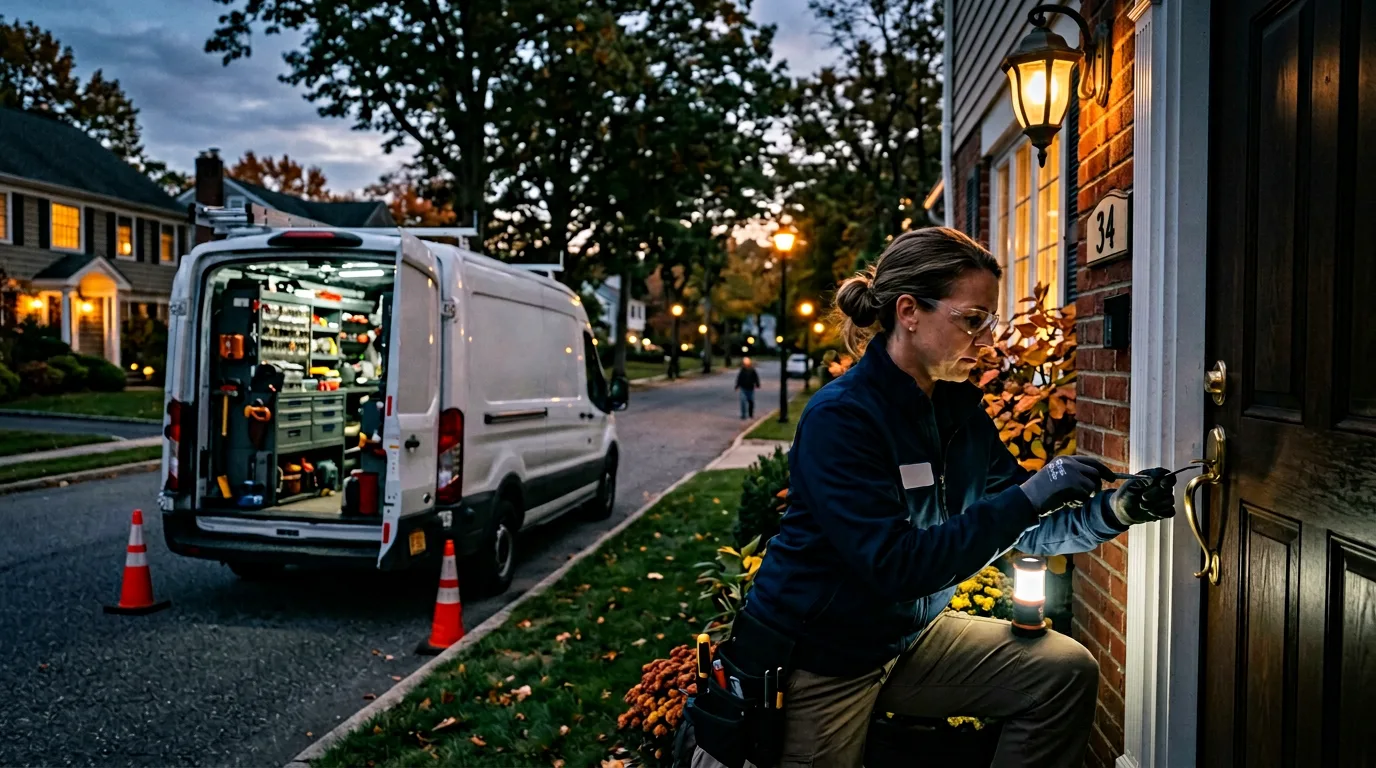
Another scenario that calls for replacement is when the lock has been compromised by an attempted break-in. Even if the lock still functions, the internal components may be weakened, and the strike plate may no longer align properly. In that case, a new lock and possibly a reinforced strike plate offer better protection. For commercial properties or high-security areas, replacement is often mandated by insurance requirements or building codes.
Comparing the Two Approaches
The fundamental difference between rekeying and replacement is the scope of work. Rekeying preserves the existing lock body and door hardware, while replacement introduces an entirely new lock set. Here are the key factors to consider:
- Cost: Rekeying is generally less expensive because it uses the existing hardware. Replacement involves the cost of the new lock, and sometimes additional labor for fitting or drilling.
- Time: Rekeying can be done in a few minutes per lock. Replacement takes longer, especially if the new lock requires adjustments to the door or frame.
- Hardware condition: If the lock body is in good working order, rekeying is sufficient. If it is worn, damaged, or outdated, replacement is the only reliable option.
- Key control: Rekeying lets you consolidate multiple locks under one key. Replacement offers the same possibility if you buy locks of the same brand and keyway.
- Security grade: Rekeying does not change the lock's security grade. Replacement allows you to choose a higher grade if needed.
When to Rekey
Rekeying is a good choice in several common situations. Moving into a newly purchased home is one of them. The previous owner may have handed out keys to neighbors, contractors, or service providers. Rekeying all exterior locks ensures that only you hold the working keys. It is also the standard solution when a tenant moves out of a rental property. Landlords typically rekey between tenants to maintain security without replacing all the hardware. If you lose a key or have one stolen, rekeying prevents that key from being used again. For a residence, home lock rekeying is a straightforward way to regain peace of mind without the expense and hassle of full lock replacement.
Another situation that favors rekeying is when you want to install a master key system. A locksmith can rekey several locks so that one master key opens them all, while individual keys still work on their respective locks. This is useful for a small business or a home with multiple outbuildings. Rekeying also works well if you are satisfied with the current look and function of your door hardware and simply want to change who has access.
When to Replace
Replacement is called for when the lock shows signs of wear or damage. If the key is difficult to insert or turn, the lock may be binding due to worn pins or a misaligned cylinder. Over time, frequent use can round off the pins, making the lock unreliable. Replacement is also necessary if the lock cylinder has been picked or drilled. Even if the lock still operates, its internal structure may be compromised. Upgrading to a lock with a higher security grade adds physical strength and resistance to attack. For example, replacing a standard bore lock with a heavy-duty deadbolt provides better protection against kick-in attempts. If you are changing the door itself or altering the door thickness, the old lock may no longer fit, and a new one is required.
Another reason to replace is when you want to switch to a different type of lock. Maybe you want to move from a keyed deadbolt to a keyless entry system, or from a knob lock to a lever handle. These changes require new hardware that matches the new function and the door preparation. In commercial settings, replacement may be mandated after a security incident or as part of a facility-wide upgrade. In all these cases, replacement is the only option that addresses the root cause of the problem.
Practical Considerations
Before deciding, examine the condition of your locks. Check for smooth key operation, a solid latch or bolt throw, and no visible damage to the cylinder face or housing. If the lock passes these checks, rekeying is likely sufficient. If you notice any issues, replacement is the safer route. Also consider the age of the hardware. Locks from the 1970s or earlier may not meet current security standards, and parts may be hard to find. In that case, replacement is more practical than rekeying.
Think about the future. If you plan to sell your home, having all locks keyed alike is a selling point. Rekeying is a quick way to achieve that. If you plan to stay long-term, you might prefer to invest in higher-quality locks that will last for decades. Replacement gives you that chance. For rental properties, rekeying between tenants is standard, but if the locks are decades old, it may be time to replace them to reduce liability and improve tenant satisfaction.

Making the Choice
There is no single answer that fits every situation. The decision hinges on the condition of your current hardware, your security needs, and your budget. Rekeying is a fast, affordable fix for locks that are still in good shape and do not need an upgrade. Replacement is the right move when the lock is worn, damaged, or no longer provides the level of security you want. In many cases, a professional locksmith can inspect your locks and give you a clear recommendation. Whether you choose rekeying or replacement, the goal is the same: to ensure that only authorized keys work on your locks and that your property stays secure.
For homeowners and business owners in Nassau County, understanding these options helps you make a confident decision. A lock change service can handle both rekeying and replacement, so you are not locked into one approach. The key is to assess your specific situation and choose the path that gives you the best balance of security, convenience, and cost.